
Dope pic.
Dope pic.
Malcolm Gladwell does one of his more stirring and incisive pieces about the NBA situation in a while. Definitely worth the read.
Money quote (of many):
[Tom] Yawkey [owner of the Red Sox] was not just a racist, in other words. He was a racist who put his hatred of black people ahead of his desire to make money. Economists have a special term they use to describe this kind of attitude. They would say that Yawkey owned the Red Sox not to maximize his financial benefits, but, rather, his psychic benefits. Psychic benefits describe the pleasure that someone gets from owning something — over and above economic returns — and clearly some part of the pleasure Yawkey got from the Red Sox came from not having to look at black people when he walked through the Fenway Park dugout. In discussions of pro sports, the role of psychic benefits doesn’t get a lot of attention. But it should, because it is the key to understanding all kinds of behavior by sports owners — most recently the peculiar position taken by management in the NBA labor dispute.

Elephant orphans form intense bonds with their caregivers and vice versa. “It’s not for the wages,” explains one veteran keeper. “The more you’re with them, the more you satisfy yourself. You just love them.” Photograph by Michael Nichols.
Arabic twists healthy minds in eleven ways:
1. The Root/Pattern System
2. Broken Plurals
3. The Writing System
4. Dual
5. Plural Lite
6. The Feminine Plural
7. Crazy Agreement Rules
8. Phonetics
9. Funky Numbers
10. Diglossia
11. Learning Materials
Read more about all of them here:
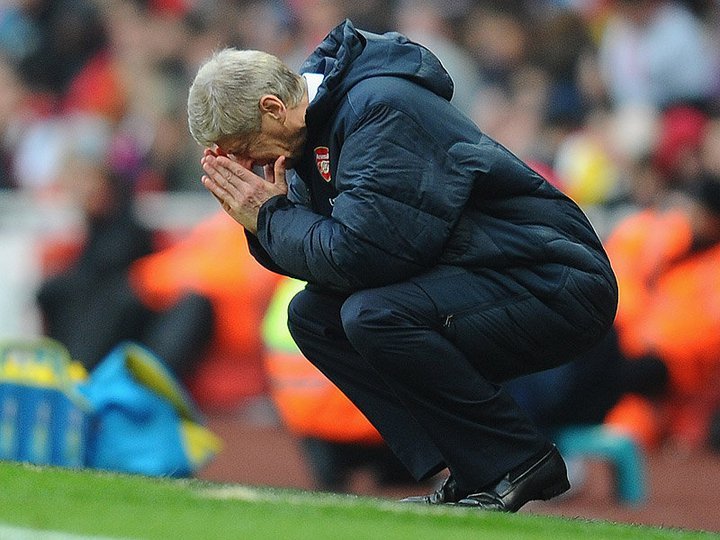
This just about sums up London’s finest this year.
Brilliant Essay by Paul Buchheit.
By returning to zero expectations, by accepting that I am nothing, it is easier to see the truth. Fear, jealousy, insecurity, unfairness, embarrassment – these feelings cloud our ability to see what is. The truth is often threatening, and once our defenses are up, it’s difficult to be completely honest with anyone, even ourselves. But when I am nothing, when I have no image or identity or ego to protect, I can begin to see and accept things as they really are. That is the beginning of positive change, because we can not change what we do not accept and do not understand. But with understanding, we can finally see the difference between fixing problems, and hiding them, the difference between genuine improvement, and faking it. We discover that many of our weaknesses are actually strengths once we learn how to use them, and that our greatest gifts are often buried beneath our greatest insecurities.

World-class cliff divers soar eight stories above harbor
– Eight stories above the waters of Boston Harbor and a few strides from the safety of the Institute of Contemporary Art’s roof, 26-year-old Steven LoBue balanced on the edge.
There’s a huge divide between the consumer space and the public sector. Why? The reason is that in government there isn’t a Darwinian pressure to innovate that’s in the consumer space. Consumer companies are one click away from extinction, so they have to innovate constantly. Yet in enterprise IT, which is far inferior to consumer IT, victory is considered winning that contract. Once companies win that contract, the incentives are to optimize their margins, not to innovate or make sure they’re providing better services.
You address that problem by adopting consumer technologies. Why are we even in the business of giving mobile devices at an enterprise level? Let all government employees go out there, pick whatever mobile device they want, and let competition decide which is a better technology, instead of having some random bureaucrat setting a standard for millions of people.
Sometimes you want so badly to say “I told you so!” after months of getting kicked in the ass, that you do so without really looking into what you’re writing about. Or even thinking, really.
Such is the predicament Dan Lyons finds himself in today.
The artist formerly known as Fake Steve Jobs wrote the following this morning immediately after hearing about Google buying Motorola:
Fascinating.

 Musings